I sat in a roundtable a few months ago with six newly promoted managers, all women, all six months into their first leadership role. I asked a simple question: when did you start calling yourself a leader? Every single one of them paused. Not because they lacked the skills. Because no one had ever told them the title was theirs to claim.
The Gap That Frameworks Don’t Fix
That pause is the real gap in most leadership development. We hand people a new job description and assume the identity shift happens automatically. It does not. Someone can run a team, hit their numbers, and still privately think of themselves as an individual contributor who got lucky. I’ve written about the broader version of that gap too — the skills that got someone promoted are rarely the skills the new job actually requires.
Why This Hits Women Especially Hard
The data backs up why this hits women especially hard. Women hold just 31 percent of leadership roles globally despite making up 44 percent of the workforce, and that first move into management is where progress keeps stalling. I’ve dug into why that first promotion is still the choke point in more detail elsewhere.
What Actually Works
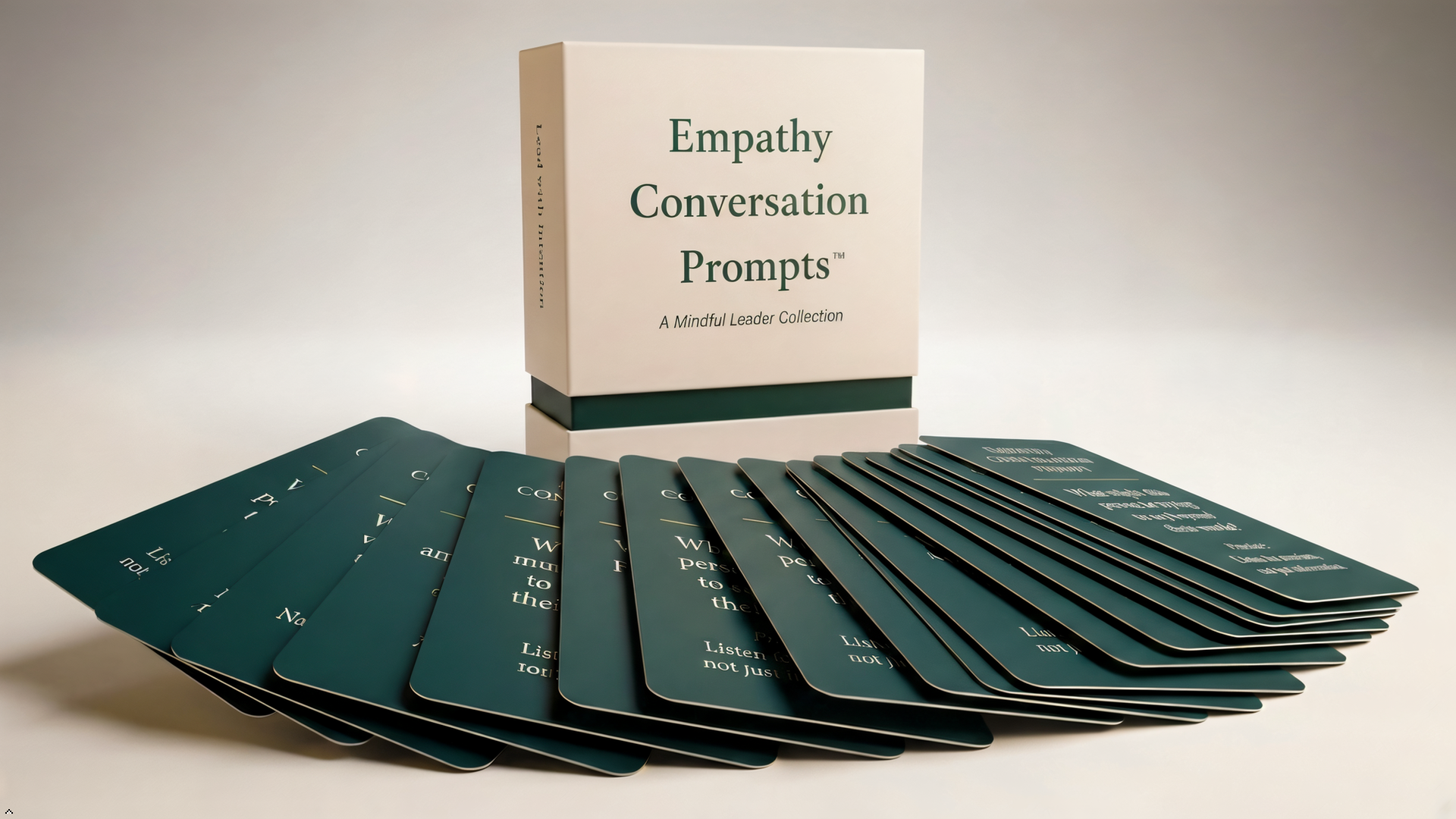
The programs that actually work do not start with frameworks. They start by naming the identity shift out loud, in a room, before it gets left to chance. I’ve found it helps to have a few good prompts on hand for starting that exact kind of conversation. I have watched that one conversation change how a leader walks into their next meeting.
Titles Get Assigned. Leadership Gets Claimed.
Titles get assigned. Leadership gets claimed. Those are two different processes, and most organizations only invest in the first one. It’s also worth asking who is actively sponsoring them once they do claim it — mentorship alone rarely closes that gap. If you’re supporting someone new to leadership, ask them the same question I asked that room. Their answer will tell you exactly where to focus.