At a roundtable I led last month, a woman who runs a 40-person function said something that stayed with me. She has been mentored for nine years. She has never once been sponsored. The room went quiet, because most of the women there recognized the difference the moment she named it. They had collected mentors for years and were still waiting for someone to actually move.
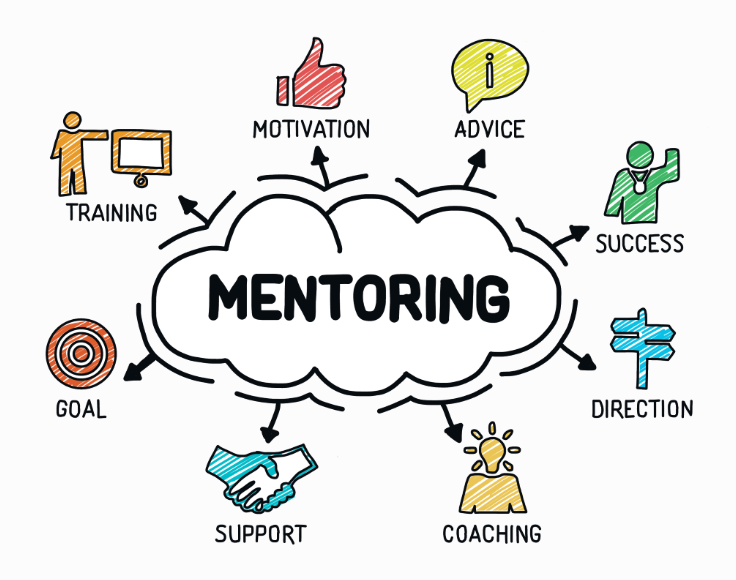
Mentoring Is Advice. Sponsorship Is Risk.
A mentor tells you how to navigate the room. A sponsor puts your name in the room when you are not there and spends their own credibility to do it. That is the whole distinction, and it explains why so many capable women feel well-supported and still stuck. They are not short on advice. They are short on advocates willing to take a risk on their behalf.
The research lines up with what we heard at that table. Only 31 percent of entry-level women have a sponsor, compared with 45 percent of men. The first promotion to manager is where the pipeline narrows most sharply, and it rarely narrows because women lack skill. It narrows because no one with power stakes a claim on their potential at the moment it would matter.
The Advice Keeps Landing on the Wrong People
What struck me most was how many accomplished leaders had quietly accepted being mentored forever instead of being backed once. They had been told to lean in, to raise their hand, to be more visible, to negotiate harder. Every piece of that advice puts the work on the woman. None of it asks anything of the people above her who actually control the decisions.
That is the pattern worth naming. We have built an entire industry of guidance aimed at women, and we have asked almost nothing of the people holding the budget, the P&L, and the hiring authority. You can attend every workshop ever designed and still not get promoted if no one with power says your name when it counts.
What Sponsorship Actually Requires
Sponsorship is not a warm introduction or a kind word in a review (see how to build a sponsor portfolio). It is putting your own standing on the line for someone else.
- Naming a specific person for a stretch role before they feel ready, and backing the call.
- Advocating for them in the rooms they are not in, especially the promotion and budget conversations.
- Handing over visible, high-stakes work and being public about why you trust them with it.
- Spending your credibility, not just your time, and absorbing some of the risk if it does not go perfectly.
If You Hold Power, You Are Someone’s Missing Sponsor
If you hold a P&L, a budget, or a hiring decision, you are someone’s missing sponsor right now. The question is not whether she is ready. Readiness is the excuse that keeps the pipeline narrow. The question is whether you will spend something of your own to back her.
The woman at that table did not need another mentor. She had nine years of advice. What she needed, years ago, was one person with power willing to say her name in a room she could not enter. If you have that power, use it. Stop sending women to one more workshop and start putting your credibility where your encouragement has been.