I led a roundtable last week with a group of newly promoted managers, and one moment has stayed with me. Someone said they still introduced themselves as an individual contributor at networking events, three months after taking the title. Not out of modesty. Out of confusion about which version of themselves was actually true now.
The Assumption Organizations Make
That is the identity shift nobody names. We hand someone a new title and assume the internal sense of self updates automatically. It does not. They still remember exactly how it felt to be managed, and now they are supposed to trust their own judgment enough to manage others, often the same week. I’ve written about this exact unnamed shift before — the identity gap nobody names for first-time managers — and it’s remarkably consistent across the rooms I’m in.
What Actually Changed the Room
What changed the room was not advice. It was permission. I asked the group when they had last said out loud, to another human being, I do not fully feel like a manager yet. Almost no one had. They had been performing readiness instead of naming the gap.
Why Naming It Works
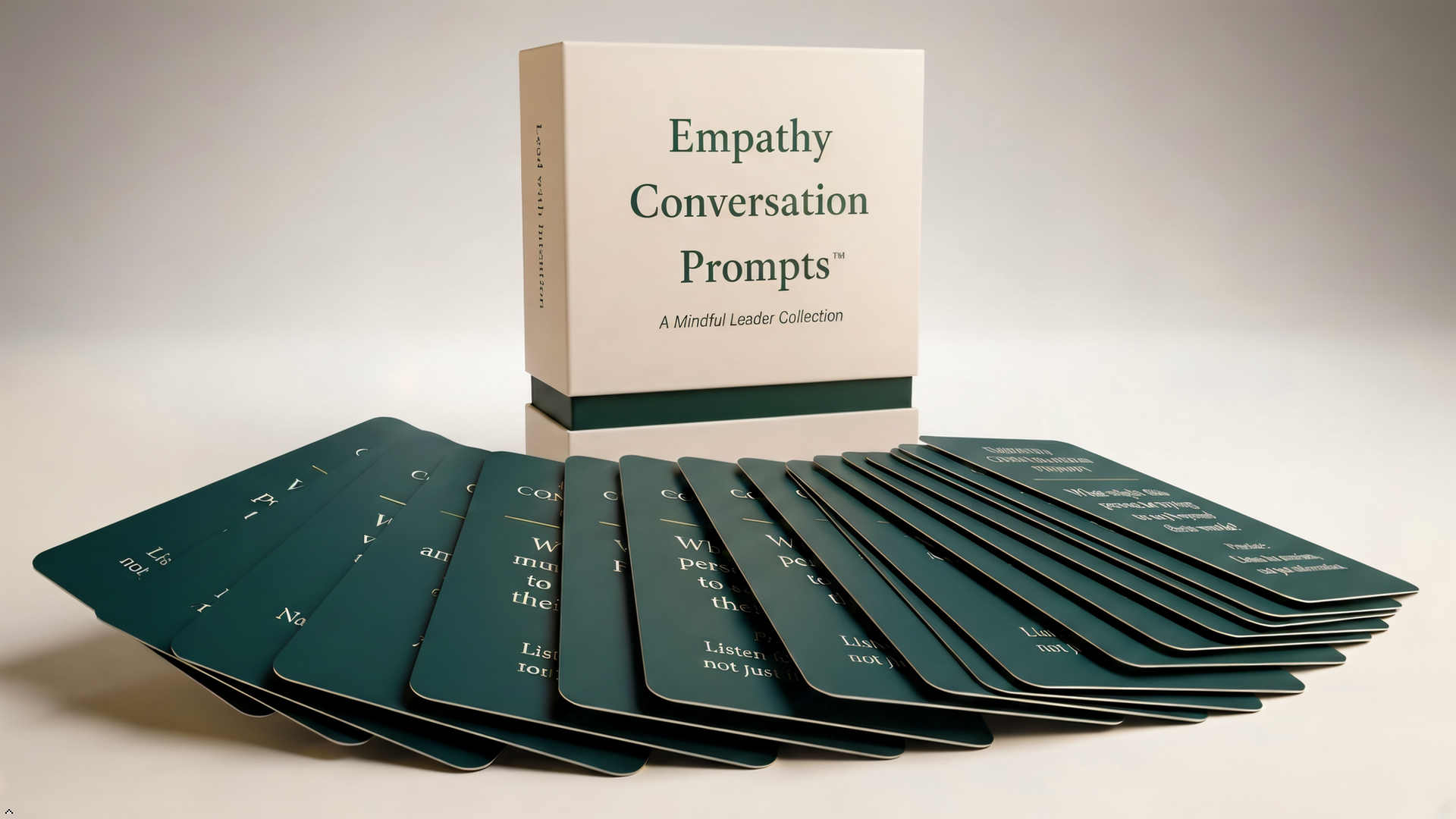
Naming it is the actual unlock. Not confidence. Not a framework. Just enough honesty to let the identity catch up to the title, at whatever pace that takes. Once someone says the true thing out loud in a room of peers going through the same shift, the isolation that made it feel like failure starts to break down. It helps to walk in with the right prompt instead of waiting for someone to volunteer it first.
What This Means for How You Support New Managers
If you are building support for newly promoted leaders, build in a moment for this admission before you build in a competency checklist. A room where people can say the identity hasn’t caught up yet does more for a new manager’s actual development than another module on delegation. One leader described it to me as feeling more successful and more lost at the same time, which tracks with what I’ve seen elsewhere: what looks like a capability problem on paper is almost always an identity problem underneath.