We Have Been Solving the Wrong Problem
The broken rung is not a pipeline problem. It never was.
Every year, another wave of women’s development programs launches. Another mentorship cohort forms. Another organization announces its commitment to gender equity in leadership. And every year, the gap at the first promotion to manager stays structurally, stubbornly intact.
Only 93 women are promoted to manager for every 100 men. For women of color, that number drops to 74. We have spent a decade building better pipelines into systems that were never redesigned to receive them.
The Rung Does Not Break Because Women Are Not Ready
It is a comfortable story. Women need more development. Women need more confidence. Women need more mentorship. The data does not support any of it.
The rung breaks for three reasons. None of them are about the women in the pipeline.
- The people making promotion decisions are not held accountable for who they choose.
- Organizations invest almost nothing in preparing the decision-makers who control access to the first promotion.
- The criteria for first-level promotion remain informal, subjective, and shaped by proximity bias.
None of that is about the readiness of the candidate pool. All of it is about the accountability structure around the decision.
What Happens in the Room Where Promotions Are Decided
I have been in enough of these rooms to tell you what most organizations will not say out loud. The first promotion to manager is the least rigorous promotion decision most companies make.
It is often based on who the hiring manager has spent the most time with. Who has been visible on the most projects. Who reminds the decision-maker of themselves at that stage of their career. Each of those criteria quietly disadvantages people who are not in the default networks. The data we have on who gets through the first rung reflects exactly that.
Why Programs Alone Cannot Fix This
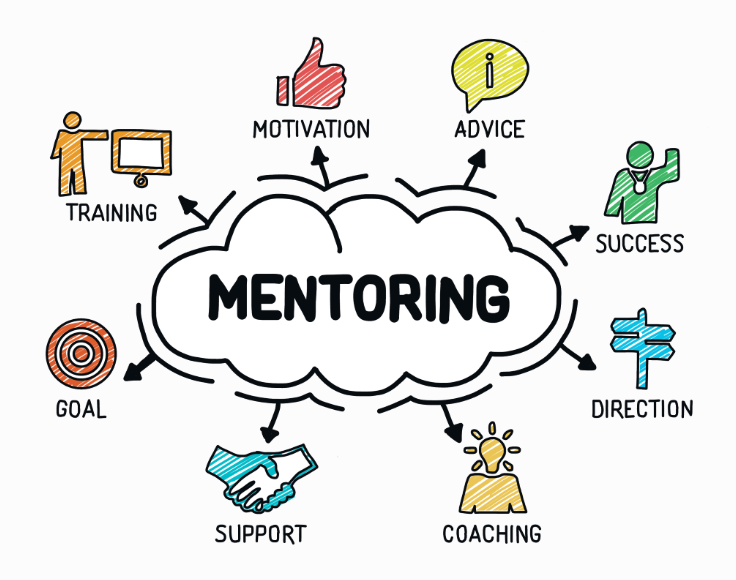
Mentorship helps. Development programs help. Women’s leadership cohorts help. None of them fix the accountability structure around the promotion decision itself.
You can prepare a thousand women to be ready for promotion. If the decision-makers are not accountable for who they actually choose, the number does not move. That is what has happened for a decade. We have invested in the preparation and neglected the decision.
What Accountability Actually Looks Like
Organizations that move first-rung promotion equity do three things differently:
- They treat promotion equity as a measurable leadership outcome, not a cultural aspiration.
- They require promotion decisions to be documented against clear, consistent criteria.
- They hold senior leaders accountable for the demographics of who gets promoted under their watch, quarter over quarter.
None of this is complicated. It is rarely done because organizations prefer the ambiguity of aspirational statements over the accountability of measured outcomes.
The Manager-Level Measurement Most Organizations Avoid
Here is the question that breaks most equity conversations open: Are first-rung promotion rates for women tracked and reported with the same rigor as financial forecasts?
If the answer is no, the organization is not actually committed to moving the number. It is committed to the narrative of being committed. Financial forecasts move because they are measured, reviewed, and tied to consequences. Promotion equity does not move because none of those things are true for it.
Who Is Actually Responsible
The responsibility for the broken rung does not sit with HR. It does not sit with the women’s leadership program. It does not sit with the mentorship cohort.
It sits with the senior leaders who make and approve first-level promotion decisions. If those leaders are not held accountable for the equity of their decisions, the rung will continue to break, and the pipeline will continue to be blamed for it.
What Senior Leaders Can Do This Quarter
The most useful thing a senior leader can do this quarter is not sponsor another mentorship program. It is run one report.
Of the managers promoted in the last twelve months under your leadership, what is the demographic breakdown? What was the decision criteria? Who was considered and not promoted, and why? Answering those three questions honestly will tell you more about your organization’s leadership equity than any engagement survey will.
The Harder Question
We have mistaken the pipeline for the problem because the pipeline is easier to solve than the decision. Redesigning the accountability structure around promotion is harder, slower, and more politically complicated than running another development program. That is why the number does not move.
The question is not how to prepare more women for the first promotion. The question is who is answerable when the right candidates keep getting passed over. Until organizations answer that second question, the first one is academic.