I had coffee with a senior leader last week who said something that has stayed with me. She had just been promoted to the C-suite, and I asked her what she wished someone had told her earlier in her career.
She did not hesitate. “I wish someone had told me to stop collecting mentors.”
I sat with that. Most of us are taught that more mentors means more momentum. She saw it differently. She had ten mentors by her mid-thirties. She had one sponsor. The one sponsor mattered more than the nine mentors combined.
Mentorship and sponsorship are different products
The conversation that has been quietly happening across executive women’s networks for the last year is the same conversation she had been having privately for a decade. Mentorship and sponsorship are not interchangeable. They are different relational products, and they require different strategies.
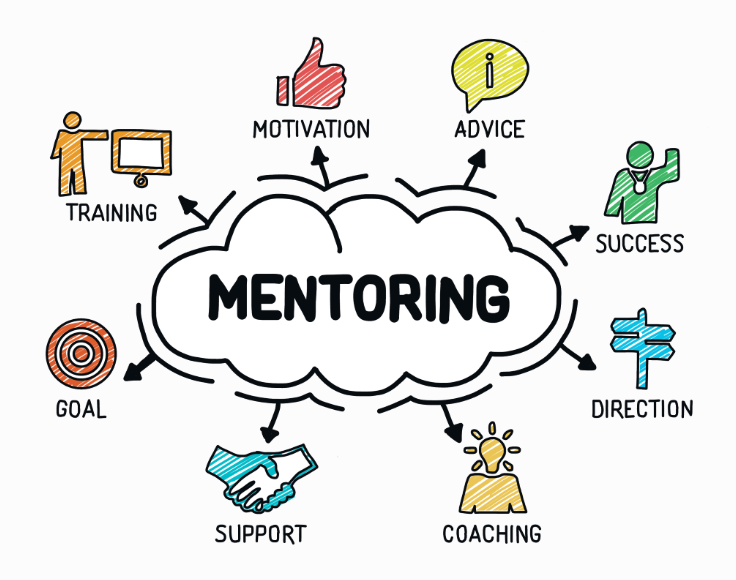
A mentor gives you perspective. They listen, ask questions, share their experience, and help you make sense of decisions. The currency is wisdom and time. A sponsor places their own political capital behind your advancement in rooms you are not in. The currency is risk. A mentor will tell you they believe in you. A sponsor will tell other people, in writing, in front of decision makers, with their own reputation attached to the recommendation.
Both relationships matter. They are not the same investment.
Why most professional women have the wrong portfolio
Research on women in leadership keeps returning to the same finding. Only 31 percent of entry-level women have a sponsor, compared to 45 percent of men at the same level. The sponsorship gap, more than the mentorship gap, is the variable that explains the persistence of the broken rung.
Women, on average, are over-mentored and under-sponsored. We are trained to ask for advice. We are not trained to ask for advocacy. The cultural script around women’s career development emphasizes humility, preparation, and networking. The cultural script around men’s career development is more comfortable with explicit asks for political capital.
That asymmetry compounds. Every promotion cycle, the people who are sponsored move faster than the people who are mentored, because someone with authority is making the case for them when they are not in the room. Every promotion cycle the people who are mentored think they are doing it right because the relationships feel meaningful, while the actual mechanics of advancement are happening somewhere else.
The shift the senior leader described
The reframe she walked me through was concrete. She had been asking senior leaders for coffee. She started asking them for advocacy. The conversation looked different.
“Will you be my mentor?” is a request for time and perspective. It is a comfortable ask, and it almost always gets a yes, because the person on the other side knows what they are committing to.
“Will you put my name forward for that stretch assignment?” is a request for political capital. It is a more uncomfortable ask, because it requires the person on the other side to attach their own credibility to the answer. It is also the ask that actually moves a career.
She told me the first time she asked the second question, she felt like she had crossed a line. She had not. She had simply graduated from a relationship script that had stopped serving her.
Three specific moves to shift your portfolio
If you are looking at your professional relationship map and realizing it is heavier on mentors than sponsors, three moves are worth making:
- Identify the three to five senior leaders in your organization or network who can actually move outcomes for you. Decision makers. Promotion influencers. Board members. Map them. Then map the gap between the relationships you have with them and the relationships you would need to have for them to advocate on your behalf.
- Make a specific, sponsorable ask. Not “Can we have coffee?” Something concrete enough that the person on the other side knows what they are being asked to do. A stretch assignment, a board introduction, a public endorsement, a specific opportunity that you are ready for and that they have visibility into.
- Reciprocate the political capital. Sponsorship is not a one-way transaction. The strongest sponsorship relationships are built when the person being sponsored makes the sponsor look good in return. That requires intentionally creating moments where the sponsor’s bet is publicly validated.
The harder reframe
The careers I see advancing most steadily are not the ones with the fullest mentor networks. They are the ones with fewer, more deliberate relationships with people who have decision-making authority and are willing to use it.
Mentorship is a skill. Sponsorship is a strategy. Most of us are still treating the two as the same thing.
If your goal is more perspective, keep collecting mentors. If your goal is more momentum, the work is different. Build sponsors. Start asking for advocacy instead of coffee. Make the uncomfortable ask early.
The senior leader I had coffee with did not become a C-suite executive because she was the most prepared. She became one because someone with authority made the case for her in a room she was not in, and she had built that relationship deliberately enough for them to do it.
That is the work. Most of us are not doing it yet.