The Moment Most Executive Women Recognize
There is a moment many executive women describe that sounds almost identical across industries and titles. You have the seat, the direct reports, the budget, the title. The org chart confirms it. And yet the conversations where the real decisions happen still feel slightly outside your reach.
I have seen this pattern consistently in coaching conversations, in career discussions, and in the moments that shaped my own thinking about what women in leadership actually need. The explanation is almost never imposter syndrome or a confidence gap. It is sponsorship, or the absence of it.
The Critical Distinction Most Women Are Never Taught
Mentorship and sponsorship are often used interchangeably. They should not be.
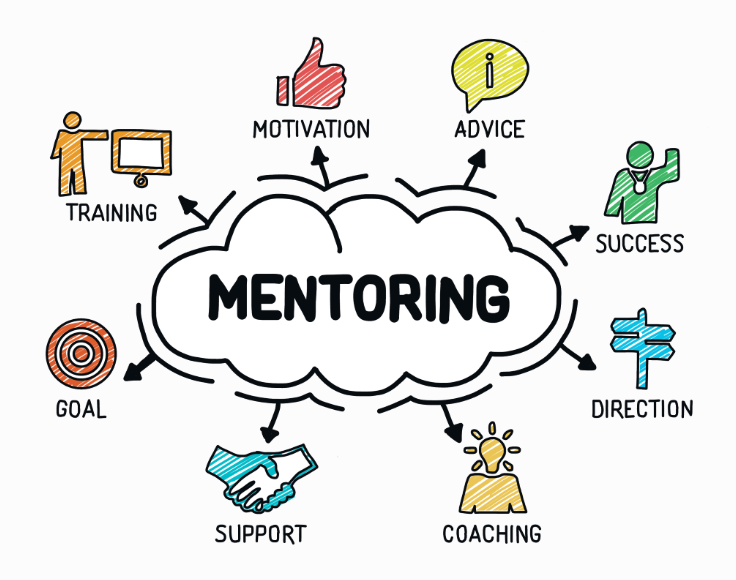
A mentor gives you skills, perspective, and a sounding board. A mentor tells you what to work on. A sponsor gives you access, advocacy, and airtime in rooms you are not in. A sponsor says your name when you are not there.
The two require entirely different strategies to cultivate. And they produce entirely different career outcomes. Most corporate programs offer mentorship in some form. Far fewer create the structural conditions where sponsorship happens consistently and equitably.
Why Mentorship Alone Stalls Careers
Mentorship is valuable. It is also insufficient.
A mentor can help you refine your communication style, navigate a difficult relationship, or prepare for a high-stakes presentation. What they cannot do, by definition, is put their own professional capital behind you when a decision is being made without you in the room. That is the work of a sponsor. And that is the work most women are never coached to pursue deliberately.
The pattern I see most often: a high-performing woman is over-mentored and under-sponsored. She has coffees and advice. She does not have advocates with actual authority.
What Sponsorship Requires From You
Sponsorship does not happen by accident. It is earned and cultivated. Here is what the women I see advancing most steadily have in common:
- They are clear and specific about their goals. A sponsor cannot advocate for a direction you have not named.
- They invest in visibility strategically. Not networking for its own sake, but building relationships with people who have the authority to open doors.
- They demonstrate excellence in a way that makes their sponsor’s advocacy feel like a safe bet.
- They ask directly. ‘Will you advocate for me for X?’ is a far more powerful question than ‘Will you be my mentor?’
- They reciprocate. Sponsorship is not extraction. It is an alliance, and sponsors need to see their investment pay off.
What Sponsorship Requires From Organizations
Individual strategy only gets women so far in systems that are not designed for equity. The most important shift is organizational.
Organizations that move the needle on women in senior leadership invest in two things:
- They formalize sponsorship for high-potential women, not just mentorship.
- They hold senior leaders accountable for who they are sponsoring and what outcomes those sponsorships produce.
Without accountability, sponsorship defaults to proximity bias. Senior leaders sponsor the people they naturally spend time with, and those people are not a demographically random sample.
The Broken Rung That Keeps Breaking
Only 93 women are promoted to manager for every 100 men. For women of color, that number drops to 74. These numbers have barely moved in a decade of women’s development programming.
The reason is not a pipeline problem. The pipeline is full. The reason is that we keep investing in preparing women for opportunities while investing almost nothing in the sponsorship infrastructure that determines who actually gets through.
A Different Question for Senior Leaders
If you are a senior leader reading this, here is the more useful question: Who are you actively sponsoring right now, and can you name what you have done for them in the last quarter?
If the answer is vague, the sponsorship is not real. It is mentorship with better branding. Real sponsorship is specific. It is naming a woman for a stretch role. It is recommending her for a board assignment. It is advocating for her compensation without being asked.
Where Women Need to Shift Their Own Strategy
If you are a woman building a senior leadership career, the strategic shift is this: invest less energy in visibility for its own sake and more energy in strategic relationships with people who can make decisions about your advancement. Being known broadly is not the same as being advocated for specifically.
Representation gets you to the table. Sponsorship shapes what happens once you are there. The women who build both are the ones who move.
The Bottom Line
If your organization talks about women in leadership but cannot point to a measurable sponsorship strategy, the conversation is symbolic. Mentorship tells women what to do. Sponsorship changes what is possible. The gap between those two is where careers either accelerate or stall.